Tuesday, December 04, 2018

Fortnite-maker aims for Steam’s head with Epic Games Store

TechCrunch, here.

Google personalizes search results even when you’re logged out, new study finds

The Verge, here.

Internet giants pose existential threat to banks: BIS chief

Reuters, here.

When Considering Federal Privacy Legislation

N. Chilson, here.

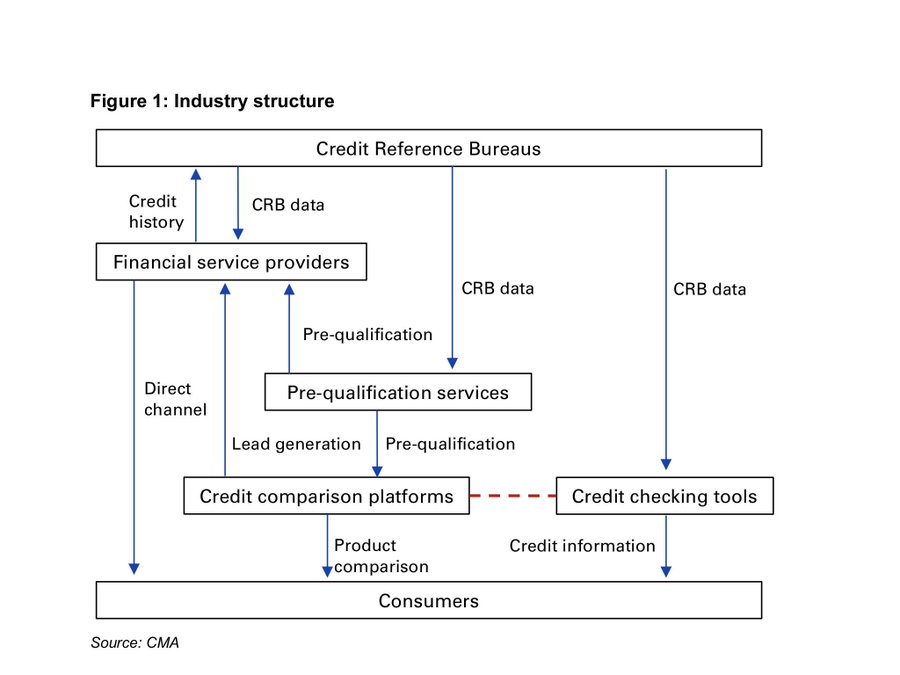
Experian/ClearScore

CMA, Provisional findings report here.

(What I find a bit surprising is the playing down of the PSD2-Open Banking effects)

Apple/Shazam: Data Is Power, But Not a Problem Here

N. Zingales, here.

Some Considerations on Intelligent Online Behavioural Advertising

G. Noto La Diega, here. 

Antitrust by Design – Kartellrechtliche Technik-Compliance für Algorithmen, Blockchain und Plattformen?

S. Louven, hier. 

The State of European Tech 2018

Orrick, here. 

EU's Vestager Urged to Probe How Tech Giants Cash In on Ads

Bloomberg, here.
Brave's letter here.
Transcript of the FTCHearing mentioned here, but you can also enjoy the video 🍿.

Apple Lawsuit Could Impact How Courts View Antitrust Cases

Legal Tech News, here. 

Datenschutzbehörde: STANDARD-Angebot entspricht DSGVO

Der Standard, hier. 

Wednesday, November 28, 2018

Didi Chuxing ‘lost control’ of safety, Chinese government says

FT, here.

Joint industry letter on the ePrivacy Regulation

#moretechnologicalapproach


@ashk4n

Former FTC official says Facebook representative made false statements to international leaders about how the company handles personal data

CNBC, here. 

COMPETITION LAW AND STATE-OWNED ENTERPRISES: ENFORCEMENT

D. Healey, here. 

Zero-price markets: Updating the Analytical Toolkit

M. Botta, Presentation here.

  1. 1. COMPETITION POLICY IN ZERO-PRICE MARKETS UPDATING THE ANALYTICAL TOOLKIT MARCO BOTTA Joint meeting of the OECD Competition and Consumer Policy Committees Paris, 28th November 2018 Max Planck Institute for Innovation and Competition | Munich
  2. 2. Outline 2 • Updating the competition analytical tools: 1) Relevant market. 2) Market power. 3) Anti-competitive conducts. 4) Potential remedies. • Conclusions – questions for further debate. 
  3. 3. Limits of the SSNIP test 3 • The relevant market is traditionally defined via the SSNIP test. • Problem: what is “small, but significant price increase” in a zero-price market? • ‘Free effect’ : when the reference price is zero, consumers will automatically switch to any competing product in case of price increase ➢ excessively broad definition of the relevant market. • Multi-sided markets: SSNIP test will limit market definition to one side of the market. 
  4. 4. Alternative tools to define therelevant market 4 • Alternative tools follow a similar logic as the SSNIP test: 1) SSNIC (i.e. increase consumers’ costs): + data / attention ➢ + consumers’ costs. 2) SSNDQ (i.e. decline product quality): + data / attention ➢ - product quality. • Limits of the alternative tools in zero-price markets: 1) Quantification: +5% amount of personal data / attention? 2) Heterogeneous consumers’ preferences: what type of data/attention should we take into consideration? 3) Positive effects: + data transferred can increase the product quality. 4) SSNIC and SSDQ do NOT catch multi-sided markets. 
  5. 5. Market power in zero-price markets 5 • Market power within the relevant market: element to trigger enforcement of competition policy (e.g. unilateral conducts, merger control, vertical agreements). • Traditional definition of market power: ability of the firm to raise prices above the competitive level. • ‘Free effect’ : in zero-price markets firms can never raise prices above 0 ➢ consumers would always switch to other products = NO firm has market power. • The market share has limited relevance to assess market power in zero- price markets. 
  6. 6. Factors to estimate market power in zero-price markets 6 • A number of factors can be assessed to estimate the degree of market power in zero-price markets: 1) Attention degree: users’ attention on the Internet is a ‘scarce’ resource. 2) Direct and indirect network effects: number of users; product quality. 3) Multi-homing and switching costs. 4) Access to data ➢ possibility to purchase data from third parties. 5) Sunk investment costs. 6) Degree of innovation: a) Relevance of innovation in the market; b) Evidence of past radical innovations; c) Evidence of past entry. 
  7. 7. Updating anti-competitive conducts 7 • Assessment of anti-competitive conducts based on ‘price’ should be revised in zero-price markets. • Cartels fixing the price at zero: shift from a per se prohibition to an effect analysis. • Predatory pricing ➢ what is ‘predatory’ in a zero-price market? 1) Fallacies in accordance with the current legal standards: a) EU: presumption of predation when prices are below average marginal costs. b) USA: requirement of likely recoupment in the same market. 2) Recoupment requirement should be always required, BUT extended to other ‘sides’ of the market. 
  8. 8. Updating anti-competitive conducts 8 • Exploitative conducts in zero-price markets (EU): 1) Excessive pricing (i.e. asking ‘too much data’) ➢ NOT relevant. 2) Discriminatory pricing ➢ NOT relevant. 3) Unfair contractual clauses: relevant in zero-price markets a) Clauses ‘unilaterally’ imposed by the dominant firms (e.g. social network unilaterally modified the data protection terms). b) ’Unfair’: clauses ‘un-related’ to the product, and outside the ordinary commercial business practices (e.g. users’ data are transferred to third parties without the user’s consent). c) Relationship with consumer and data protection law: open question. 
  9. 9. Competition law remedies in zero-price markets 9 • Zero-price markets pose new challenges to the application of the traditional antitrust toolkit ➢ infringement decision + fine is NOT an effective remedy. • Structural v. behavioural remedies: 1) Structural remedies (e.g. un-bundling; divestiture of a subsidiary): NOT efficient ➢ negative effect on direct network effects and product quality. 2) Behavioural remedies: the NCA ‘guides’ the firm in terms of competition law compliance: a) Tailor-made ➢ designed in cooperation with the firm (i.e. commitments); b) Possible periodic revision ➢ adaptation to the market dynamics. c) Need of monitoring. d) Risk of market regulation ➢ overlap with data protection and consumer law. 
  10. 10. Behavioural remedies in zero-price markets 10 • Examples of behavioural remedies in zero-price markets: 1) Increase consumers’ awareness (e.g. increase transparency of the contractual terms; info about the personal data collected); 2) Setting minimum standards of data protection terms (e.g. max. duration of data storage); 3) Giving consumers the opportunity to periodically revise the consent to the processing of their personal data; 4) Right to data portability. 
  11. 11. Relationship with sector-regulation 11 • Antitrust remedies can clarify unclear aspects in data/consumer law protection. • Cooperation between NCA and data protection /consumer law authorities: 1) Exchange of information during the investigations; 2) Joint sector-inquiries; 3) Consultation in designing behavioural remedies. • Competition v. consumer / data protection remedies: 1) Advantage: antitrust remedies ensure higher degree of deterrence. 2) Disadvantage: definition relevant market and market power. 
  12. 12. Conclusions – questions for further debate 12 • Are SSNIC and SSNDQ effective tools to define the relevant market? • What aspects should be taken into consideration to assess market power in zero-price markets? • How should the assessment of anti-competitive conducts be adjusted to the peculiarities of zero-price markets? • What type of competition law remedies could be introduced in zero-price markets? • What are the possible forms of cooperation between NCAs and sector regulators when it comes to designing the remedies? 
  13. 13. 13 Thank you very much for your attention! marco.botta@ip.mpg.de 

The regulation of personalised pricing in the digital era

M. Bourreau and A. de Streel, here. 

In Support of Privacy Engineering

IEEE, here. 

Google CEO Sets Date for House Panel After Senate No-Show

Bloomberg, here. 

‘Principles of the Law Governing the Internet’

Members of the national Parliaments of: the Argentine Republic; the Kingdom of Belgium; the Federative Republic of Brazil; Canada; the French Republic; Ireland; the Republic of Latvia; the Republic of Singapore; and the United Kingdom of Great Britain and Northern Ireland, here. 

What Facebook Really Doesn’t Want You to Talk About

Bloomberg, here. 

Britain may block Experian-ClearScore credit data merger

Reuters, here.

PSD2 sparks rise in UK reported tech and cyber incidents

Out-law.com, here. 

Disinformation and ‘fake news’ (and FB privacy and antitrust)

House of Commons, Digital, Culture, Media and Sport International Grand Committee, here (both videos and transcripts). 

New Parents Complain Amazon Ads Are Deceptive

WSJ, here and here. 

Monday, November 26, 2018

Marginally Everywhere

R. Woocock, here. 

Apple v, Pepper

Oral argument transcript, here.

Personalised Pricing in the Digital Era

Note by the European Union, here.

RECHTE AN DATEN

J. Kühling, F. Sackmann, hier.  S. auch Positionspapier, hier. 

Quality considerations in the zero-price economy

Note by Germany, here and the EU, here.

RGPD : 45 000 Européens ont rejoint un recours collectif contre les géants du web

Numérama, ici.

PayPal / iZettle merger raises competition concerns

CMA, here. 

„Kommission Wettbewerbsrecht 4.0"

Stellungnahme der Bundesrechtsanwaltskammer. hier. 

Brussels launches probe into airline ticket system groups

FT, here. 

Privacy in the Age of Artificial Intelligence

TRPC, here.

Why the U.S. Is Beyond the Gilded Age

MSN.com, Video here. 

Why a French ruling against a small mobile ad firm has ad tech on the defensive

Marketing Land, here. 

ICO tells Washington Post it offers invalid cookie consent under GDPR

IAPP, here. 

Wie KI-Forscher sich die nötigen Trainingsdaten verschaffen

Heise.de, hier. 

Glen Weyl: “We need to find ways to organize collectively to exercise our rights online”

LINC, here. 

Superintendência-Geral recomenda arquivamento de investigação contra o Google

CADE, aqui.
Super interesting aqui, aqui, aqui, aqui, aqui e mais aqui. 

Kreditscoring: Urteil aus Finnland wirft Fragen zur Diskriminierung auf

Algorithmwatch.org, hier. 

3D printing and intellectual property futures

T. Birtchnell, A. Daly, T. Rayna and L. Striukova for the UK IPO, here. 

Vectaury: IAB statement and @johnnyryan's comments

Here. 

Das Ende des Bargelds – bald auch in Deutschland?

Handelsblatt, hier. 

How the GDPR will Help Europe Win the Race for AI

Yo-Da, here. 

Best of frenemies? Reflections on privacy and competition four years after the EDPS Preliminary Opinion

C. D'Cunha, here. 

AIRLINES FACE CRACK DOWN ON USE OF ‘EXPLOITATIVE’ ALGORITHM THAT SPLITS UP FAMILIES ON FLIGHTS

Independent, here. 

A study of the implications of advanced digital technologies (including AI systems) for the concept of responsibility within a human rights framework

K. Yeung, here. 

China’s Orwellian Social Credit Score Isn’t Real

Foreign Policy, here. 

Arreglar el desastre de Internet

El Pais, aquì. 

Rule by robots is easy to imagine – we’re already victims of superintelligent firms

The Guardian, here. 

Edward Snowden Explains Blockchain to His Lawyer — and the Rest of Us

ACLU, here. 

NFC im iPhone: Lufthansa erstes bekanntes Unternehmen, das die Schnittstelle nutzt

ComputerBild, hier. 

Sabbiere, Innovazione e Concorrenza: Il Caso Fintech

S. Vezzoso (autrice del blog), qui. Primissima bozza, commenti più che graditi!

Sunday, November 25, 2018

Friday, November 23, 2018

Thursday, November 22, 2018

„Die Gefahr besteht, dass wir ein Zwei-Klassen-Internet schaffen“

FAZ, hier. 

You Snooze, You Lose: How Insurers Dodge The Costs Of Popular Sleep Apnea Devices

NPR, here. 

Google Spleen

Ici. 

Competition in (data) privacy: ‘zero’-price markets, market power, and the role of competition law

S.Y. Esayas, here. 

The Norwegian Ski Federation before the EFTA Court

Ruling here, more here. 

Comparison sites cry foul over Google Shopping service

The Register, here, 

Visa, Mastercard offer tourist card fee cut in EU antitrust probe

Reuters, here. 

Update on the German Facebook Case


COMPETITION LAW AND STATE-OWNED ENTERPRISES

OECD  Secretariat, here. 

Quality considerations in digital zero-price markets

OECD Secretariat, here. 

Personalised Pricing in the Digital Era

Note by the United Kingdom to the OECD, here. 

How tech companies deceive you into giving up your data and privacy

 F. Lützow-Holm Myrstad, TedTalk here.

More about Cayla, here. 

Competition and fairness in a digital society

M. Vestager, here. 

Inside Tech’s “Kill Zone”: How to Deal With the Threat to Edge Innovation Posed by Multi-Sided Platforms

H. Singer, here. 

The dos of data: data trusts

The Economist, Podcast  here (at 08:22).

Algorithmic Price-Setting by Platforms

J. Nowag, here. 

How Facebook’s P.R. Firm Brought Political Trickery to Tech

NyTimes, here. 

Google, our "God"?

Competition Lore with Caron Beaton-Wells and Hal Varian, Podcast here. 

Nielsen/Ebiquity Merger

CMA, Final Report here. 

The war on cash in Belgium and The Netherlands: a state of play on contactless mobile payments

FinExtra, here. 

France is ditching Google to reclaim its online independence

Wired, here. 

Conclusions from the Cryptoassets Taskforce

FCA, here. 

The CNIL’s VECTAURY Decision and the IAB Europe Transparency & Consent Framework

IAB, here. 

Break up Facebook (and while we're at it, Google, Apple and Amazon)

R. Reich, here. 

La CNMC incoa expediente sancionador contra Adidas España por posibles prácticas restrictivas de la competencia

CNMC, aquì.

Open Letter to Commissioner Vestager from 14 European CSSs Re Google Shopping

Wednesday, November 21, 2018

Apple reportedly buys AI startup focused on building on-device machine learning software

The Verge, here. 

Data Governance in Connected Cars: The Problem of Access to In-Vehicle Data

W. Kerber, here. 

BIG DATA AND COMPETITION POLICY

A. Claici, here, pp. 423-457.

Personalized Prices in the Digital Economy

J.-J. Ganuza and G. Llobet, here. 

The Economics of the Gig Economy – with an Application to the Spanish Taxi Industry

M. Silos Ribas, here., pp. 305-342.

ECONOMIC ANALYSIS OF THE DIGITAL REVOLUTION

Book, here.

Beijing to Judge Every Resident Based on Behavior by End of 2020

Bloomberg, here. 

Resolution on the right to privacy in the digital age

UN, here. 

Want Faster Airline Customer Service? Try Tweeting

NYTimes, here. 

Google: Three Thoughts

R. Picker, here. 

La irrupción de las fintech en el sector bancario generará precios más asequibles, según la CNMC

EuropaPress, aquì. 

We Need to Move Beyond Competition Policy

Forbes, here. 

Platform Accountability and Contemporary Competition Law: Practical Considerations

P. Verveer, here. 

How a small French privacy ruling could remake adtech for good

TechCrunch, here.


Monday, November 19, 2018

There is a ‘third way’ for Europe to navigate the digital world

FT, here. 

Datenschutz-Folgenabschätzung zeigt hohe Risiken bei Microsoft Office ProPlus Enterprise

Privacy Company, hier. Video here.

Paula Forteza : « Les citoyens doivent participer à la régulation des plates-formes numériques »

Le Monde, ici. 

How Software Is Helping Big Companies Dominate

J. Bessen, W. Frick, here. 

Microsoft/GitHub

Decision here.

What Are We Learning about Artificial Intelligence in Financial Services?

L. Brainard, here. 

DATA MOBILITY: The personal data portability growth opportunity for the UK economy

Ctrl-Shift for the UK  the Department for Digital, Culture, Media and Sport (DCMS), here. 

Amazon: EC Investigation to Focus on Whether Amazon Uses Data to Develop and Favor Private Label Products

Capital Forum, here. 

ePrivacy-Verordnung (ePVO): Tickende Zeitbombe für Ihr Online-Marketing? – So bereiten Sie sich vor!

PIWIK, hier. 

The intensity of judicial review in complex economic matters—recent competition law judgments of the Court of Justice of the EU

J. L. da Cruz Vilaça, here.

Décision: VECTAURY

CNIL Décision n°MED-2018-042 du 30 octobre 2018, ici.

And this "much older" blog post for some context.

KI als Markenzeichen für Deutschland

Bundesregierung, Presse Mitteilung hier. Bericht hier.

Is technology re-engineering humanity?

The Economist, here. 

Want To See Your Dystopian Future? Look at China

C. O'Neil, here. 

WIPO Conference on the Global Digital Content Market

Videos here. 

Tuesday, November 13, 2018

Sunday, November 11, 2018

Future proofing your bank? Digital transformation and regulatory reform in the financial sector

O. Rehn, here. See also here.

Artificial intelligence and intellectual property: an interview with Francis Gurry

WIPO, here.

Antitrust: Commission seeks feedback on commitments offered by Disney in pay-TV investigation

EC, here. 

La comisaria de Competencia alerta de que el IAJD crea "diferencias" en la competitividad de los bancos españoles respecto a los europeos

Expansión, aquì.

Privacy Group Asks European Regulators To Test GDPR Against Seven Tech Companies

AdExchanger, here. 

Competition Policy Reform in Europe and Germany – Institutional Change in the Light of Digitization

O. Budzinski, A. Stöhr, here. 

Amazon Is Kicking All Unauthorized Apple Refurbishers Off Amazon Marketplace

Motherboard, here. 

Opinions by European Copyright Society in CJEU Cordoba and Cofemel cases

ECS, here and here. 

Facebook quietly launches a TikTok competitor app called Lasso

The Verge, here. 

Changes coming to Google News to help publishers ‘find their sites’

Search Engine Land, here. 

Freigabe des Zusammenschlusses von Karstadt und Kaufhof

Bundeskartellamt, hier. 

The Economics behind Multi-Sided Markets

J. Crémer. here. 

Distributed Ledgers: what is so interesting about them?

G. Danezis, here.

Three Moral Economies of Data

American Interest, here. 

Wednesday, November 07, 2018

Urheberrecht: Ärger im EU-Parlament über verwässerten Schutz für Künstler

Netzpolitik, hier. 

China To Increase Regulation Of Financial Holding Companies

Pymts, here. 

Commission clears the creation of six joint ventures by Daimler and BMW, subject to conditions

EC, here. 

Frank Pasquale: How To Regulate Google, Facebook and Credit Scoring?

F. Pasquale, Video here. 

Tim Berners-Lee launches campaign to save the web from abuse

The Guardian, here. 

EU’s proposed link tax would [still] harm Creative Commons licensors

Creative Commons, here. 

Qualcomm Dealt Setback in FTC Case Alleging Monopoly Abuse

Bloomberg, here. 

On inferred data

Video, 94:40-98:00.

Building a fairer digital world

M. Vestager, here. Video here. 

Threat of Platform-Owner Entry and Complementor Responses: Evidence from the Mobile App Market

W. Wen, F. Zhu, here. 

Big Tech Sets Up a ‘Kill Zone’ for Industry Upstarts

Bloomberg, here. 

Flickr says it won’t delete Creative Commons photos

Flickr, here. 

Solutions for a responsible use of the blockchain in the context of personal data

CNIL, here. 

Europe’s AI ethics chief: No rules yet, please

Politico, here. 

Android developers can now force users to update their apps

TechCrunch, here. 

YouTube-Stars verbreiten gerade massenhaft Panik ums 'Ende von YouTube'

Motherboard, hier, 

Monday, November 05, 2018

Our Approach to Competition

FCA, here. 

Smartphone Privacy: How Your Smartphone Tracks Your Entire Life

ElcomSoft, here. 

Schwedischer ISP blockt Elsevier nach Blockieraufforderung

Golem.de, hier. 

Mastercard Protests Payments ‘Nationalism’ In India

Pymnts, here. 

COFECE investiga posibles barreras a la competencia y/o presencia de insumos esenciales en el sistema de pagos con tarjeta

COFEDE, aquì.

GitHub is now officially a part of Microsoft

ArsTechnica, here. 

Commission approves acquisition of sole control over EMI Music Publishing by Sony

EC, here. 

THE GENERAL DATA PROTECTION REGULATION FIVE MONTHS ON

K. Lenaerts, Video here (from 15:55:40).

Platforms and the Sharing Economy

K. Stanoevska-Slabeva, here.

Copyright Office introduces proposal to give consumers right to hack electronics for repairs

The Hill, here. 

Have Smartphones Destroyed a Generation?

The Atlantic, here. 

Who owns this AI-generated painting?

TechnoLlama, here. 

Richemont s'allie à Alibaba pour doper ses ventes en ligne en Chine

Les Echos, ici.

Financial Technology: Opportunities and Challenges to Law and Regulation

P. Hodge, here. 

Researchers complain to Brussels over ‘dominant position’ of RELX Group in scientific publishing

ScienceBusiness.net, here. 

Cryptoassets Taskforce: final report

HM Treasury, FCA, Bank of England, here. 

GM’s data mining is just the beginning of the in-car advertising blitz

The Verge, here. 

AI and the Global Economy

Bank of England, here.

Verbrauchergerechtes Scoring

Gutachten des Sachverständigenrats für Verbraucherfragen, hier. 

„Volkswagen hat betrogen und schuldet Schadenersatz“

FAZ, hier. 

Swedes grumbling about Apple Store in their park are lucky – in Toronto, Google eats all your data

The Register, here. 

Vestager on the intersection of data and competition

iapp, here. 

Recent Developments at DG Competition: 2017/2018

A. Amelio et al., here. 

Essential Principles for the Design of Antitrust Analysis for Multisided Platforms

D. Evans, here. 

Federal Circuit: Conference Distribution Still a Printed Publication even if No PHOSITA Attend

Patentlyo, here. 

Dish-HBO Standoff Shows How Trump's Justice Dept. Choked in the AT&T Merger Fight

The Hollywood Reporter, here. 

Competition, Market Power and Third-Party Tracking

A. Ezrachi, V. Robertson, here. 

WHY THE GOOGLE WALKOUT COULD BE A TURNING POINT FOR TECH

Vanity Fair, here.

In FTC Hearings, a Few Bright Spots Amid a Pro-Monopoly Status Quo

ILSR, here.

Goldman Sachs has asked one of its most prominent tech bankers to help infuse itself with that same tech

Recode, here. 

ComparetheMarket home insurance deals could deny people better prices

CMA, here. 

Apple Pay in Deutschland: Apple nennt Banken und Geschäfte

Heise.de, hier.

Our car-free future will be blocked by Comcast tactics

Transit, here. 

Soft ethics, the governance of the digital and the General Data Protection Regulation

L. Floridi, here. 

Google Chrome’s Users Take a Back Seat to Its Bottom Line

EFF, here. 

CMA’s new DaTA unit: exciting opportunities for data scientists

CMA, here. 

Tuesday, October 23, 2018

What Can U.S. v. Microsoft Teach About Antitrust and Multi-Sided Platforms?

FTC Hearings, Video here. 

Mobile app data sharing 'out of control'

BBC News, here. 

Google could finally face serious competition for Android

The Verge, here. 

The Opportunity Costs of Socialism

US Council of Economic Advisers, here.
Don't ask.

Uber to appeal Singaporean competition watchdog decision on Grab merger

Cityam.com, here. 

How Senator Mark Werner Wants to Rein In Big Tech

Slate Podcast, here (from 00:13:20).

Google tax on Android makers in the EU: Fee offset if Search and Chrome included alongside Play Store, of course

The Register, here. 

Avec ses « skills », Amazon veut créer l'App Store des assistants vocaux

LesEchos.fr, ici. 

IBM introduces Open Banking platform

FinExtra, hier. 

DSGVO: ICANN debattiert zentrales Whois und schon den Zugriff darauf

Heise.de, hier. 

Is a Cashless Society Problematic?

Bank of Canada, Staff Discussion Paper here. 

How smartphone apps track users and share data

FT, here. 

From local impact to European added value: Digital Innovation Hubs

R. Viola, here. 

Leading academics reveal: what are we getting wrong about AI?

Researchers at Oxford University, here. 

The Dynamics of Technology Adoption and Vertical Restraints: An Empirical Analysis

A. Eizenberg, A. Pechy and M. Sovinsky, here. 

RETHINKING PRIVACY IN THE AGE OF AI

Intel, here. 

Third Party Tracking in the Mobile Ecosystem

R. Binns et al., here. 

AN ALTERNATIVE HISTORY OF SILICON VALLEY DISRUPTION

Wired, here.